






100 latest articles
-
Review: Oppo Find X10 Pro Max – a well-considered flagship
-
Review: Nothing Headphone 1 Pro - Luxurious headphones with brilliant sound and noise cancellation
-
Review: Google Pixel 11 Pro Fold – Not like the others
-
Review: Google Pixel 11 – slightly cheaper, slightly more compact
-
Review: Samsung Galaxy Z Fold 8 Ultra - Thin and powerful foldable
-
Review: Xiaomi 17T Pro - Challenges the best
-
Review: Motorola Razr Fold – an elegant challenger
-
Review: Motorola Razr 70 Ultra - Style and expression
-
Review: Google Home speaker – sound is not its greatest strength
-
Review: Oura Ring 5 - Logs your life at a luxury price
-
Review: Honor Magic V6 - Best at almost everything
-
Review: Samsung Galaxy Z Fold 8 - Wide range of uses
-
Review: Google Pixel Watch 5 - Not quite state of the art
-
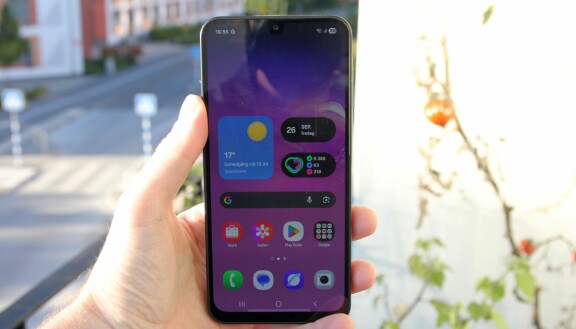
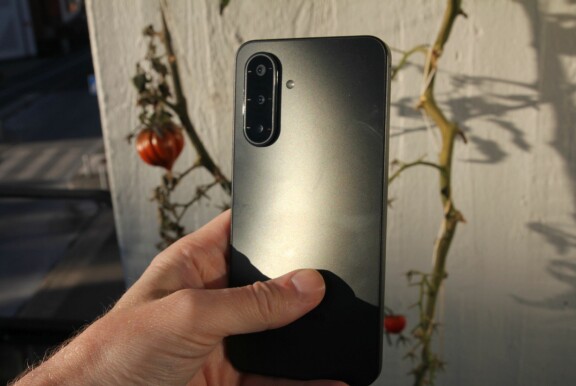
Review: The Fairphone (Gen 6 Plus) – the phone for the conscious consumer, now mildly modified
-
Review: Google Pixel 11 Pro – Compact camera champion
-
Review: Sony Xperia 10 VIII - Compact mid-range mobile with few improvements
-
Review: Samsung Galaxy Z Flip 8 - Compact and easy to use one-handed foldable
-
Review: Samsung Galaxy Watch Ultra 2 – Better but expensive
-
Review: Samsung Galaxy S26 FE – Slimmed down at a higher price
-
Review: Samsung Galaxy Watch 9 - Improved
-
Review: Motorola Edge 70 Pro – Good-value near-flagship with charm and battery life
-
Review: Xiaomi Redmi Note 17 Pro Max - Pushing the boundaries
-
Review: Huawei Watch GT 7 series – does not run out of steam easily
-
Review: Oppo Find X9 Ultra – perhaps the best camera phone ever
-
Review: Xiaomi 17T - Blurring the lines
-
Review: Sony WH-1000XX The Collexion - Sony's new luxury headphones
-
Review: Huawei Watch Fit 5 Pro - Sleek, feature-packed, great value for money
-
Review: Samsung Galaxy A57 – An affordable all-rounder
-
Review: iPad Air (2026) - Good and not so good
-
Review: Sony Xperia 1 VIII - A renewed visionary
-
Review: Xiaomi Tag - AirTag for half the price - and it is much better
-
Review: Xiaomi 17 - Surprising camera phone
-
Review: Google Pixel 10a - Google's most affordable mobile
-
Review: Cheap headphones deliver top class - Huawei Freebuds Pro 5
-
Review: Xiaomi Watch 5 - Superior smartwatch with Wear OS
-
Review: Nothing Phone 4a - A phone that makes you happy
-
Review: Nothing Phone 4a Pro - Charming mid-range mobile with more luxury and performance
-
Review: Motorola Moto Watch - Totally useless
-
Review: Samsung Galaxy Buds 4 Pro - World class
-
Review: Apple iPhone 17e - Cheap top model
-
Review: Samsung Galaxy S26 and S26 Plus
-
Review: Huawei Watch GT Runner 2 - Marathon and more
-
Review: Samsung Galaxy S26 Ultra - Most versatile
-
Review: Nothing Headphone A - Cheaper and charming headphones
-
Review: Motorola Signature - More prestige
-
Review: Oppo Find X9 Pro - Top class
-
Review: Honor Magic 8 Pro - Sharp top model changes the game
-
Review: Xiaomi 17 Ultra - Superior camera phone
-
Review: Xplora One - Good children's mobile for parents who want to keep track
-
Review: Oneplus 15 - Magnificent
-
Review: Xiaomi 15T Pro - Flagship at a low price
-
Review: Oppo Find X9 - Oppo's first flagship now in Sweden
-
Review: Motorola Edge 70 - Thin and durable with few compromises
-
Review: Garmin Venu 4 - Both smartwatch and sports watch
-
Review: Honor Magic V5 - Powerful
-
Review: Garmin Instinct Crossover Amoled - Charismatic training watch with real hands
-
Review: Apple Watch SE 3 - An affordable Apple Watch that can
-
Review: Apple Watch Series 11 - Long-term improvement
-
Review: Apple Airpods Pro 3 - Finally!
-
Review: Samsung Galaxy S25 FE - Really affordable top mobile
-
Review: Motorola Razr 60 - The only affordable foldable mobile
-
Review: Xiaomi Watch S4 41 mm - appearance above all
-
Review: Oppo Reno 14 - First review
-
Review: Google Pixel 10 Pro Fold - Foldable, heavy and durable
-
Review: Sony Xperia 10 VII - Compact mid-range mobile
-
Review: Google Pixel Watch 4 - Should impress
-
Review: Apple iPhone 17 - The best choice
-
Review: Huawei Freebuds 7i - Offers possibilities
-
Review: Apple iPhone 17 Pro - The one you should upgrade to
-
Review: Apple Iphone Air - Alike and unique
-
Review: Samsung Galaxy A17 - Affordable phone with top screen and longevity
-
Review: Huawei Watch GT 6 Pro - Enhanced multitasker
-
Review: Nothing Ear 3 - Great-sounding headset with charm and quality
-
Review: Xiaomi Poco F7 - Top model for under 5000 kronor
-
Airpods Pro 3 packed with new features
-
The new Apple Watch models - all three with 5G and new health measurement
-
Iphone 17 and Iphone Air launched
-
Everything You Need to Know About the New iPhone 17 Pro and iPhone 17 Pro Max
-
Review: Samsung Galaxy Tab S11 - Luxurious tablet that lasts long
-
Review: Oneplus Buds 4 - Headset with fantastic noise cancellation
-
Review: Garmin Forerunner 970 - Packed with professional insights
-
Review: Google Pixel 10 - Top model with thoughtful compromises
-
Review: Oneplus Nord CE5 - Really cheap smartphone
-
Column: This is why we can expect a new Windows phone
-
Review: Honor Magic 7 Lite - Luxurious mid-range phone that can take a beating
-
Review: Oneplus Nord 5 - Sufficient and good
-
Review: Xiaomi Redmi A5 - How good is the phone for 1300 kronor
-
Review: Oneplus Pad Lite - A lot of tablet for under 3000 kronor
-
Review: Samsung Galaxy Watch 8 Classic - Luxurious and Polished
-
Review: Nothing CMF Watch 3 Pro - Really good smartwatch for only 120 EUR
-
Review: Samsung Galaxy Z Flip 7 FE - A cheaper foldable
-
Review: Samsung Galaxy Z Flip 7 - Subtly better
-
Review: Motorola Moto Watch Fit - Smartwatch under 100 EUR
-
Review: Samsung Galaxy Watch 8
-
Review: Nothing Headphones 1 - Stylish
-
Review: Samsung Galaxy Z Fold 7 - Generational Shift
-
Review: Garmin Venu X1 - Luxury watch with large screen
-
Review: Nothing Phone 3 - Charming and affordable top model
-
Review: Oneplus Pad 3 - Large tablet
-
Review: Honor Magic 7 Pro - Worthy Return with Class in the Cameras
-
Review: Motorola Edge 60 Pro - Slim mix
-
This could happen when Telenor buys Three Sweden - coverage, prices, competition
-
Review: Samsung Galaxy Tab S10 FE Plus - Tablet with a large screen and a slightly lower price
-
Here is the Android phone that works with Apple Watch and other Apple products
-
"Telenor wants to buy Three Sweden - ready to merge"
-
BankID gets a new widget - This is how to use it
-
Galaxy Watch 8 Classic appears on eBay
-
Here are the news in IOS 26 - New design at the centre
-
Review: Garmin Vivoactive 6 - A smartwatch just the way I want it
-
Review: Honor Magic V3 - Class difference
-
Sony stops its own mobile manufacturing
-
Nothing scraps Glyph lighting
-
Review: Sony Xperia 1 VII - Best in its own way
-
Column: Sony's journey from largest to non-existent
-
New Design: Here Are the Updates in Android 16
-
Samsung Galaxy S25 gets Android 16 this summer
-
Review: Nothing CMF Phone 2 Pro - The best mobile you can get for 300 euro
-
Review: Huawei Watch Fit 4 Pro - Thin and light, yet powerful and versatile
-
Review: Sony WH-1000XM6 - The best has become better
-
Acer introduces smart ring
-
Better alternatives to Shazam: Hum, sing yourself or play music and the app will tell you the song title and artist
-
Sony Xperia 1 VII: Official with several camera updates
-
Review: Motorola Razr 60 Ultra - Versatile foldable with style
-
Review: Motorola Edge 60 - Elegant mid-range phone with good cameras
-
Review: Samsung Galaxy S25 Edge - Thin with fewer compromises than expected
-
Samsung invites you to the Galaxy S25 Edge launch
-
Review: Motorola Edge 60 Fusion - Affordable luxury
-
Samsung launches new payment feature
-
Tap to Pay now with Paypal on iPhone
-
Ikea and Sonos Part Ways
-
IOS 18.5 and Watch OS 11.5 on the way - new features and Apple's new Pride collection
-
Several Mobile Manufacturers May Leave Google
-
Apple is working on a new operating system
-
Major Leak About Galaxy S25 Edge
-
Google has removed almost half of all apps
-
Sweden misses out on Oneplus 13T
-
Banking app Revolut becomes a mobile operator
-
Why So Many Use Google's Search Engine
-
Meta's AI app launched for iPhone and iPad - Creates images and provides answers
-
Wild Rumour: This is How Thin the Galaxy Z Fold 7 Can Be
-
The next top chip Snapdragon 8 Elite 2 may arrive earlier than expected
-
Review: Ulefone Armor 28 Ultra - Rugged monster phone with everything extra
-
Soon Google may back up your mobile number
-
Samsung prepares for new Galaxy Watch Ultra
-
Android 16 to be showcased on its own Google show in May
-
Google scraps Maps feature for drivers
-
Nothing launched the super affordable CMF Phone 2 Pro and three headsets
-
The AI company wants to track everything you do
-
Earn money from illegal parking
-
Yahoo too wants to buy Chrome


Annonsinnehåll:



-
PLUS
Granskning: Så skiljer sig prishöjningen på mobiltelefoner mellan tillverkarna
-
PLUS
Apple Homeview är mer än bara en gigantisk Apple Watch
-
PLUS
Koppla upp din Garmin-klocka via mobilnät och satellit – Fullständig guide
-
PLUS
Därför kommer Swish att försvinna
-
PLUS
Vi förklarar Googles molnlagring – Google One: Det här ingår och så kan du komma billigare undan
-
PLUS
Krönika: Den tredje största mobiltillverkaren, efter Apple och Samsung
-
PLUS
Duell: Samsung Galaxy S26 FE mot Xiaomi Redmi Note 17 Pro Max
-
PLUS
Nyheterna i Samsungs One UI 9 med Android 17 på djupet
-
PLUS
Krönika: Nya Snapdragon och Samsung – det är komplicerat
-
PLUS
Krönika: Därför är budgetmobilerna hotade


Ad